 demeris
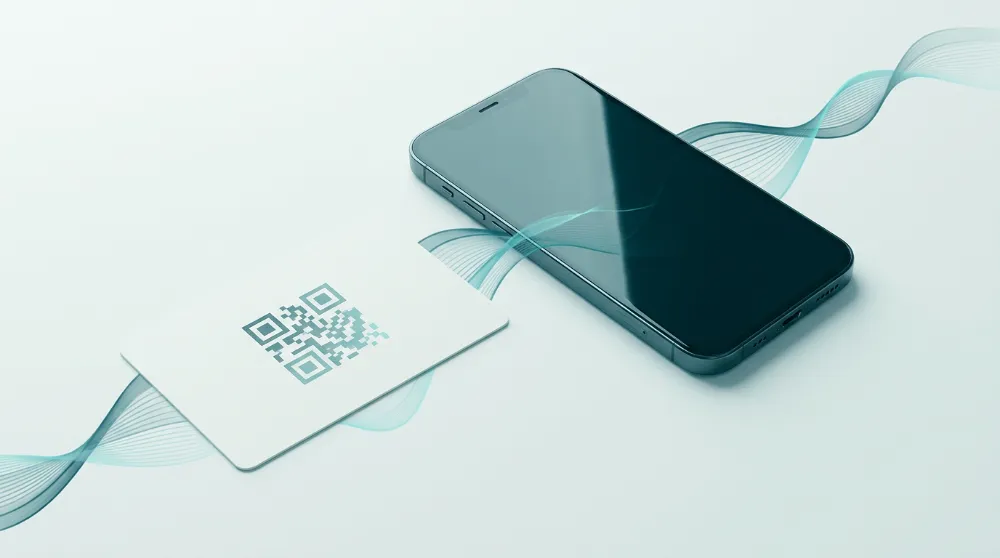
The QR-bill isn’t just a new payment slip: it is structured, machine-readable data.
The end of red and orange payment slips: the timeline
The QR-bill was launched on 30 June 2020, with a coexistence phase alongside the old payment slips. That phase ended on 30 September 2022: since then, the red payment slips (BV) and orange payment slips (BVR) are no longer accepted.
Two successors now coexist: the QR-bill and eBill. Many SMEs today issue and receive both.
How the QR-bill works
The QR-bill is an invoice accompanied by a payment part and a receipt, at the bottom of which is a Swiss QR Code. This code contains all the payment data: IBAN, reference, amount, contact details.
The result: no more need to copy out a reference number. Simply scan the code to pay, and the data is reliable because it is structured at the source.
eBill: the invoice in e-banking
eBill goes a step further: the electronic invoice arrives directly in the recipient’s e-banking, where it is approved in a few clicks. There is no more PDF or paper to handle.
The QR-bill and eBill are not mutually exclusive: the former remains ideal for sending by PDF or on paper, the latter for an entirely digital relationship.
What this changes for capture
For those receiving invoices, the QR-bill is good news: its structured data can be read very reliably, which reduces errors and facilitates automatic reconciliation.
In practice, invoice receipt remains mixed — paper, PDF, eBill — and the challenge is to unify these channels into a single capture flow.
What to do today
Three actions: check that you are indeed issuing QR-bills or eBill, equip your invoice receipt process to read these formats automatically, and archive everything in a legally compliant way.
demeris Capture reads QR-bill data and integrates it into your document flow; request a demonstration to see it on your own invoices.